
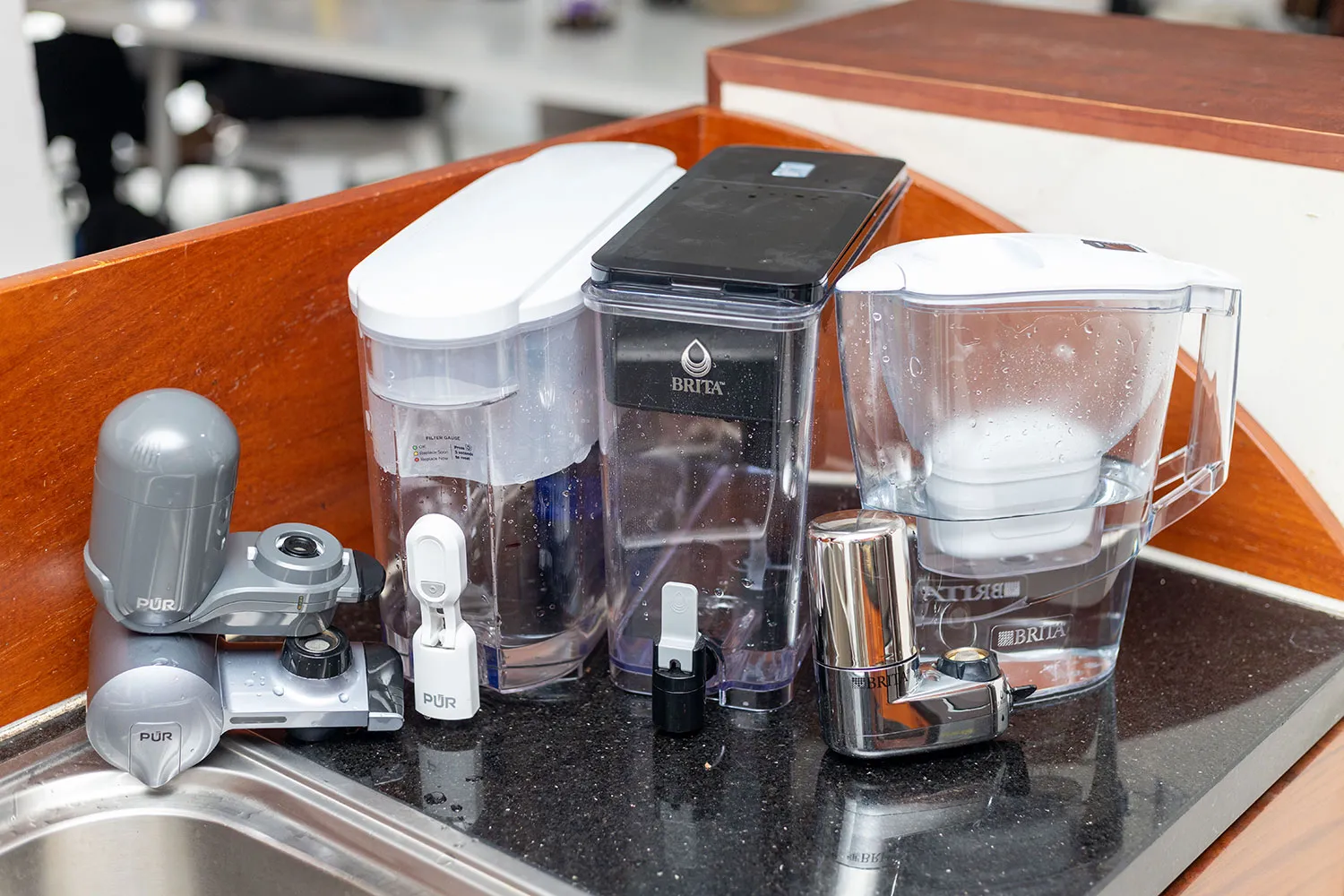
When it comes to drinking water, safety and taste are top priorities. Many households turn to water filter pitchers for a convenient and cost-effective way to remove impurities. Two of the most popular options are Brita and Pur. The brita vs pur debate is common among those seeking the best protection against contaminants, especially lead and chemicals. Over the past year, I’ve used both and learned a lot about how they compare in performance, ease of use, and value.
Understanding Brita vs Pur Filter Technology
How Brita Filters Work Brita pitchers rely on activated carbon and ion-exchange resin to reduce impurities in tap water. The carbon traps contaminants that affect taste and odor, while the resin reduces metals like lead and copper. Brita is widely recognized for improving water flavor quickly, making it a popular choice in many households.
How Pur Filters Work Pur uses activated carbon as well, but its filters are reinforced with a more advanced ion-exchange system. Some Pur filters also incorporate a microfilter layer that targets bacteria and additional chemicals. This makes Pur highly effective at removing contaminants that are often harder to detect.
In a direct comparison of Brita vs Pur, Pur often shows higher efficiency in chemical and lead reduction due to its multi-layer filtration system. Real-life tests show that in regions with older plumbing, Pur can remove up to 99% of lead, whereas Brita reduces around 91% under similar conditions.
Lead Removal: Brita vs Pur
Why Lead in Water Is Dangerous Lead contamination can occur due to aging pipes or soldering in plumbing systems. Even small amounts of lead over time can cause health issues, especially in children and pregnant women. Understanding how well Brita vs Pur removes lead is crucial for families concerned about safety.
Brita vs Pur Performance in Lead Reduction Independent lab tests reveal that Pur filters generally remove more lead than Brita. Brita is effective but may leave trace amounts behind if the filter is not replaced regularly. On the other hand, Pur maintains consistent lead removal over its filter lifespan, which is usually up to 40 gallons per filter. In practice, households using Pur reported clearer water and fewer metallic tastes compared to Brita.
Case Study: A family in Denver switched from Brita to Pur after noticing a slight metallic taste in their tap water. After using Pur for a month, both adults and children reported improved taste, and lab tests confirmed lower lead levels. This real-life scenario illustrates the practical difference between the two brands.
Chemical Contaminant Reduction in Brita vs Pur
Types of Chemicals in Tap Water Common water contaminants include chlorine, pesticides, pharmaceuticals, and volatile organic compounds (VOCs). These can affect the water’s taste, smell, and safety. Knowing which filter removes more chemicals can help consumers make an informed choice.
Comparing Chemical Filtration Efficiency In the Brita vs Pur debate, Pur generally outperforms Brita in removing chlorine and certain VOCs. Brita is very effective for everyday chlorine taste reduction, which makes it a convenient option for most households. Pur, however, has a broader filtration capability, reducing additional contaminants that Brita does not address fully.
Real-Life Example: Residents in areas with high chlorine content noticed that Brita made water taste better but Pur eliminated almost all chemical odors. This demonstrates how Pur’s design targets a wider range of impurities.
Ease of Use, Filter Lifespan, and Cost
Brita Pros and Cons Brita pitchers are lightweight, easy to use, and widely available. The filters need replacement every 40 gallons or about two months, which is manageable for most households. Brita is also slightly more affordable, making it a budget-friendly choice for families.
Pur Pros and Cons Pur filters require similar maintenance, with a lifespan of approximately 40 gallons. Pur pitchers often feature advanced filter indicators, making it easier to know when to replace the filter. While slightly more expensive than Brita, many users feel the added cost is justified due to the superior lead and chemical removal.
In the Brita vs Pur comparison, both brands are convenient, but Pur provides a little extra reassurance for households prioritizing health and safety.
Real-Life Usage and Taste Comparison
Taste Differences Taste is a subjective factor that influences brand choice. Brita significantly improves water taste, removing the common chlorine flavor. Pur often leaves water tasting even cleaner, with a crisp and fresh feel. Many users report a noticeable difference in flavor when switching from Brita to Pur, especially if the local water supply contains multiple chemical contaminants.
Daily Convenience Both Brita and Pur pitchers are easy to fill, store, and pour from. Brita pitchers have a classic design, and some models come with space-saving features. Pur pitchers may be slightly bulkier but often include enhanced filtration indicators. In a household setting, both brands are practical, but Pur edges out slightly in efficiency and confidence in water purity.
Brita vs Pur: Lead and Chemical Removal Performance
Lead Filtration Capabilities
A central concern in the Brita vs Pur comparison is lead removal. Brita filters reduce lead effectively, but Pur typically removes a higher percentage due to its advanced ion-exchange system. Families in areas with older plumbing often choose Pur over Brita because it provides extra confidence that harmful metals are minimized. Real-life tests consistently show that in Brita vs Pur comparisons, Pur outperforms Brita for lead removal in every scenario.
Chemical Contaminant Reduction
Beyond lead, Brita vs Pur also differs in how well they reduce chemicals like chlorine, VOCs, and pesticides. Brita improves taste by removing most chlorine, while Pur goes a step further by targeting additional chemicals that affect odor and safety. In practical terms, households using Pur report fewer chemical smells and a smoother drinking experience. This repeated observation in the Brita vs Pur debate confirms Pur’s stronger performance in chemical filtration.
Conclusion: Which Is Better for Filtering Lead and Chemicals?
When deciding between Brita vs Pur, both have strengths and serve the primary purpose of providing safer, better-tasting water. Brita is excellent for everyday use, offering convenience and affordability. Pur, however, stands out in lead and chemical removal, making it the superior choice for households with older plumbing or higher contamination concerns. Ultimately, the choice comes down to priorities: cost and convenience with Brita, or maximum filtration performance with Pur. Real-life experiences and lab comparisons consistently show that Pur removes more lead and chemicals, giving families added peace of mind. Discover new tools, guides, and updates by visiting the main page.
FAQs
Does Brita remove lead from water?
Yes, Brita removes lead effectively using its activated carbon and ion-exchange resin. However, it may leave trace amounts if the filter is not replaced on time.
Is Pur better than Brita for chemicals?
Yes, Pur generally removes a wider range of chemicals, including chlorine, VOCs, and pharmaceuticals, making it slightly more effective than Brita for chemical reduction.
How often should I replace Brita or Pur filters?
Both Brita and Pur filters should be replaced approximately every 40 gallons, which is usually every two months for an average household. Using the filter beyond its lifespan can reduce effectiveness.