
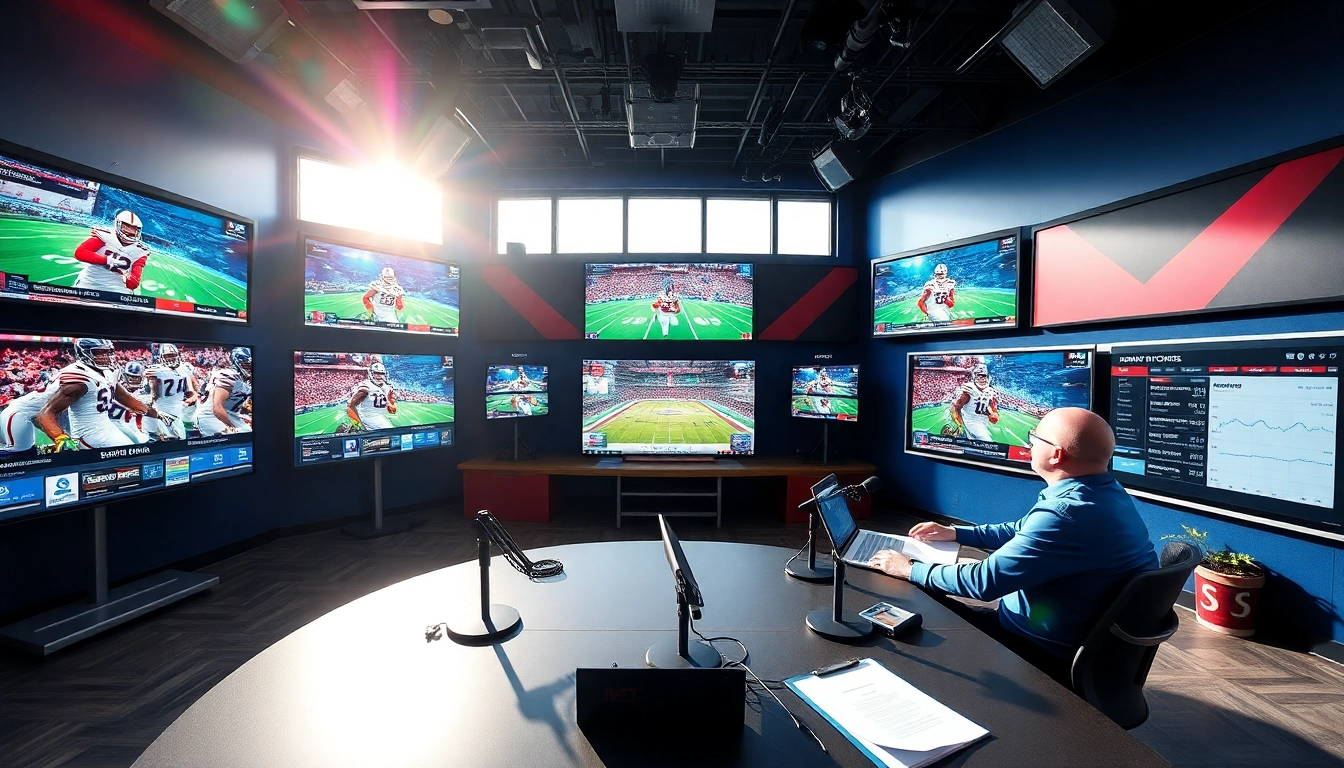
Understanding Sports Broadcasting
In our digital era, the landscape of time-honored professions continues to evolve at a rapid pace, none more significantly than sports broadcasting. This dynamic field stands at the crossroads of technology and storytelling, aiming to deliver sports content engagingly and compellingly. As sports enthusiasts tune in, the desire for high-quality coverage and informative content has become the norm. To understand the vibrant world of Sports Broadcasting, one must delve into the varied aspects that shape it, including its critical role in the media landscape, essential skills for broadcasters, content creation strategies, and future trends that signal a shift in how audiences consume sports content.
The Role of Sports Broadcasting in Today’s Media Landscape
Sports broadcasting plays an essential part in the broader media landscape by acting as a bridge connecting sports teams, leagues, and fans. With an ever-growing audience seeking immersive experiences, broadcasters serve to not only showcase the events but also to provide context, emotion, and story. Studies show that live sports viewership continues to defy industry trends of declining linear television audiences, underscoring sports' unique appeal and its position as a cornerstone of broadcasting.
Key Components of a Sports Broadcasting Workflow
A comprehensive sports broadcasting workflow encompasses several integral components that must synchronize seamlessly to ensure an engaging viewer experience. This process typically includes:
- Pre-Production: This phase involves detailed planning, scripting, and coordination of technical aspects, including camera angles, sound, and lighting.
- Production: Live broadcasting requires real-time communication between on-screen talent and production teams, balancing commentary and visuals for an immersive experience.
- Post-Production: After the event, content may be edited for highlight reels, social media, or follow-up analysis segments, reinforcing audience engagement beyond the live event.
How Technology is Transforming Sports Broadcasting
Technological advancements significantly influence how sports are broadcasted, offering opportunities for enhanced viewer engagement. High-definition video, multi-camera angles, and augmented reality (AR) are now staples of modern broadcasts. Innovations like instant replay and graphics enhancing viewer understanding of gameplay dynamics have become essential. Additionally, the introduction of mobile applications allows fans to experience events seamlessly from anywhere, catering to the growing expectation for convenience and accessibility.
Essential Skills for Sports Broadcasters
To thrive in sports broadcasting, individuals must cultivate a diverse set of skills tailored to meet varying demands and challenges. These essential skills include communication, research, and technical proficiency.
Communication Techniques for Engaging Audiences
Effective communication underlines every successful broadcast. Sports broadcasters must convey excitement, clarity, and authority. Techniques such as utilizing appropriate voice modulation, pacing, and storytelling abilities help captivate audiences. Engaging with the audience through thoughtful questions and interactive social media posts enhances viewer connection, making them feel part of the experience.
Research Skills: The Backbone of Informative Broadcasting
Thorough research forms the backbone of informative sports broadcasts. Broadcasters must stay updated on player statistics, team history, and recent developments to provide in-depth analysis and commentary. The ability to interpret data and contextualize it for an audience ensures that broadcasts are not just entertaining but also enlightening.
Handling On-Screen Challenges and Technical Issues
On-screen challenges, such as unexpected events or technical failures, require sports broadcasters to be adaptable and quick-thinking. Maintaining composure and professionalism, while seamlessly addressing errors or transitions, reflects the broadcaster's expertise. Training and experience in crisis management prepare talent to handle these pressures during live broadcasts.
Content Creation in Sports Broadcasting
Content is king in sports broadcasting, and creating engaging material goes beyond the mere broadcasting of events. Broadcasters must hone their skills in crafting compelling narratives that resonate with audiences.
Crafting Compelling Narratives and Storytelling
A successful broadcast weaves narratives that draw viewers in emotionally. Creating backstories for teams and players or diving into the significance of a rivalry brings depth to the experience. Visuals paired with powerful storytelling can transform routine games into epic tales that hook audiences from start to finish.
Utilizing Statistics and Data Effectively
In today’s data-driven age, statistics and analytics are essential to broadcasting. Broadcasters who effectively use stats not only attract engaged viewers but also provide context that enriches the viewer's experience. Infographics, real-time data displays, and deep dives into analytics create informed audiences that feel invited to engage meaningfully with the sport.
Creating Visual Content that Captures Attention
Visual content has a powerful role in sports broadcasting. From graphics to highlight packages, the visual component can enhance understanding and retention. Techniques such as slow motion, player bios, and engaging visuals provide viewers with comprehensive insights, enhancing their overall viewing experience.
Trends Shaping the Future of Sports Broadcasting
As we look to the future, certain trends are set to define how we engage with sports broadcasts and how they evolve to meet audience demands. Understanding these trends is vital for aspiring broadcasters to stay ahead of the curve.
Breaking the Fourth Wall: Fan Interaction in Sports Broadcasting
Modern broadcasting is increasingly engaging fans through real-time interaction, breaking the traditional barrier between viewers and broadcasters. Platforms that allow fans to participate in discussions and share their reactions help create richer experiences, making them feel invested in the broadcast.
The Rise of Streaming Services and Its Impact
As streaming services gain traction, they redefine how audiences consume sports. Viewers now have the flexibility to watch games on multiple devices, often choosing on-demand options over traditional network broadcasts. This shift impacts scheduling, content availability, and engagement strategies, pushing broadcasters to adapt.
Emerging Technologies: AR and VR in Sports Broadcasting
Augmented reality (AR) and virtual reality (VR) represent the forefront of technological disruption in sports broadcasting. These innovative tools create immersive viewing experiences, allowing fans to feel as if they are part of the action. Applications range from viewing games in VR to interactive stats overlays in AR, marking a vital shift in how broadcasts can appeal to tech-savvy audiences.
Performance Metrics and Analysis in Sports Broadcasting
To assess the success and effectiveness of sports broadcasts, performance metrics and analysis play a crucial role. Understanding these metrics empowers broadcasters to make informed decisions that enhance future broadcasting efforts.
Understanding Viewer Engagement and Retention
Viewer engagement and retention are critical metrics that broadcast teams must monitor. Tools such as audience analytics, social media interactions, and viewer feedback surveys provide insights into how content resonates with audiences. Identifying patterns helps tailor future broadcasts to maximize viewer loyalty.
Measuring the Success of Broadcasts Through Ratings
Broadcast ratings serve as a benchmark for success, indicating how many viewers tuned in and at what times. Higher ratings often translate to better sponsorship and advertising opportunities, making this metric vital for financial success. Understanding how ratings fluctuate can inform strategy adjustments that resonate better with audiences.
Feedback Loops: Enhancing Future Broadcasts Based on Data
Creating effective feedback loops allows broadcasters to learn from past broadcasts, refining strategies based on viewer responses. Analyzing data not just from ratings but also from direct viewer comments and social media interactions equips broadcasters with the insights needed to hone future content and address audience needs more effectively.
FAQs about Sports Broadcasting
What skills do I need to become a sports broadcaster?
Essential skills include excellent communication, strong research abilities, and technical proficiency. Additionally, adaptability to on-screen challenges is crucial.
Are streaming services overtaking traditional sports broadcasts?
Yes, streaming services are gaining popularity, providing viewers flexibility and often superior user experiences compared to traditional broadcasts.
How is technology changing the way we watch sports?
Technologies like AR, VR, and multi-camera angles enhance viewer experience by offering interactive and immersive ways to engage with the content.
Why is storytelling important in sports broadcasting?
Storytelling adds emotional depth and context, transforming games into memorable narratives that captivate audiences and create stronger connections.
What metrics should broadcasters focus on for improvement?
Broadcasters should monitor viewer engagement, ratings, and feedback to refine their approaches and enhance future broadcasts based on audience preferences.