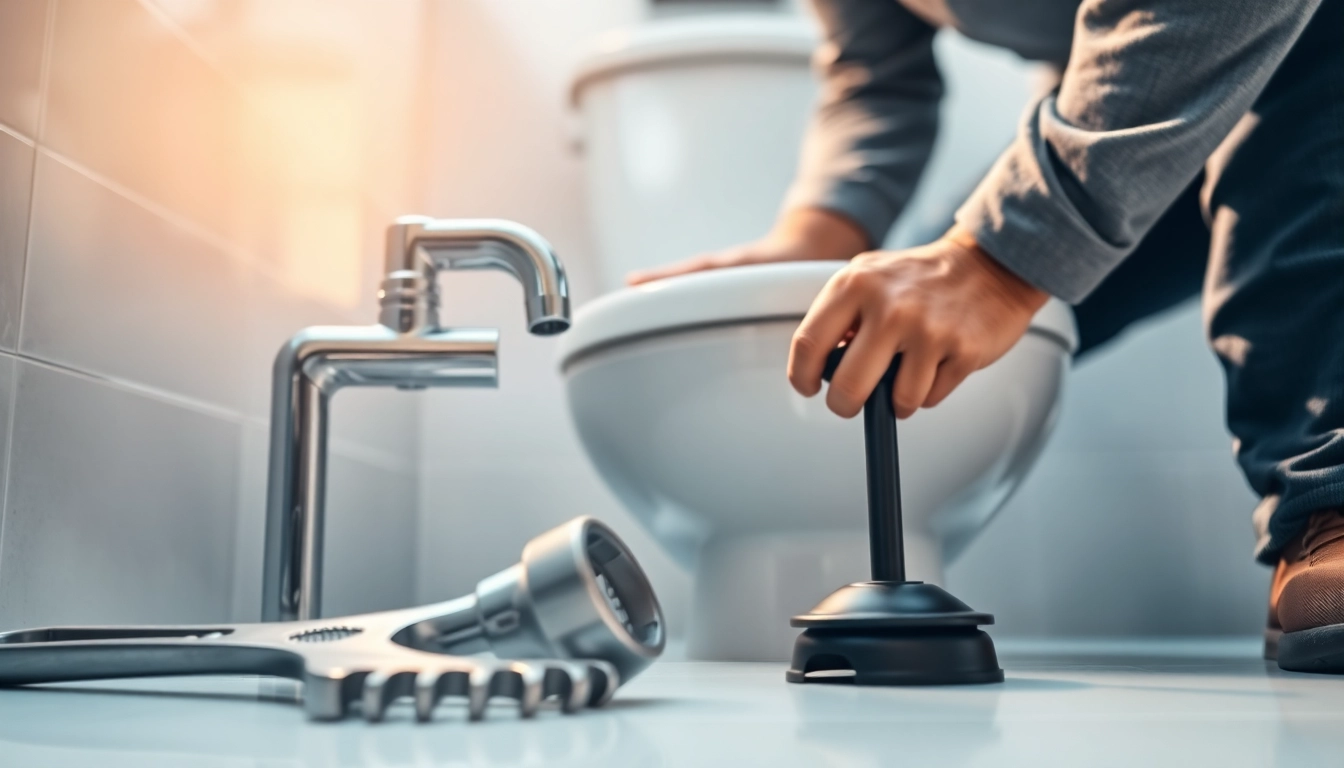
Understanding Toilet Repair Basics
Toilets are essential fixtures in every home, yet many homeowners overlook their maintenance until something goes wrong. Understanding the basics of toilet repair can empower you to troubleshoot issues effectively and perform simple repairs that save both time and money. This section will cover common toilet problems, essential tools needed for repairs, and important safety measures to take during the process.
Common Toilet Problems and Symptoms
Toilets can experience a variety of issues, each accompanied by distinct symptoms. Some of the most common problems include:
- Running Toilet: A toilet that runs continuously is often due to a faulty flapper or a problem with the fill valve.
- Leaks: Water pooling around the base of the toilet usually indicates a wax seal issue, while leaks from the tank may stem from a cracked tank or loosened bolts.
- Weak Flush: A weak flush can result from a clogged siphon jet or build-up in the rim holes.
- Clogs: Frequent clogs may indicate either excessive build-up in the trap or an undersized drain line.
Tools Needed for Effective Toilet Repair
Having the right tools at your disposal can make any repair task simpler and quicker. For basic toilet repairs, you will need:
- Adjustable Wrench: For tightening or loosening nuts.
- Screwdriver: Either Phillips or flathead, depending on your toilet fixtures.
- Plunger: Essential for clearing clogs.
- Toilet Auger: For more stubborn obstructions that a plunger can’t clear.
- Replacement Parts: Such as flappers, fill valves, and wax rings, depending on the issue.
Safety Measures During Toilet Repair
Before you begin any repairs, consider the following safety measures to prevent accidents:
- Always turn off the water supply to the toilet before starting any repair work.
- Use gloves to protect your hands from potentially harmful bacteria.
- Keep a towel nearby to clean up spills and prevent slips on wet floors.
- Be careful when using tools. Adhere to proper handling procedures to avoid injuries.
Diagnosing Toilet Issues
Before diving into repairs, it's crucial to diagnose the issue effectively. Understanding the symptoms and testing different components can pinpoint the problem accurately.
Identifying Leaks and Water Damage
Leaks can lead to significant water damage if not addressed. To check for leaks:
- Inspect the base of the toilet for any signs of water pooling.
- Check the water supply connection for moisture.
- Look inside the tank for any cracks or signs of wear that might cause leaks.
Assessing Toilet Flush Mechanisms
A proper flush is essential for toilet functionality. Common components to assess include:
- Flapper: Ensure it seals properly and isn’t warped or cracked.
- Chain Length: The chain connecting the flapper should have the right tension; too loose or too tight can cause issues.
- Handle Mechanism: Check for any obstructions or corrosion that may affect the handle’s operation.
Checking Fill Valves and Overflow Tubes
Fill valves and overflow tubes are crucial to maintaining the water level in the tank. You should:
- Test the fill valve for proper operation—make sure it shuts off when the tank is full.
- Ensure the overflow tube is not clogged, allowing for excess water to flow away safely.
Step-by-Step Toilet Repair Guide
Once you’ve diagnosed the issues, it’s time to tackle the repairs. Here’s a step-by-step approach to fix some of the more common problems.
Fixing a Running Toilet
A running toilet can be both annoying and wasteful. To fix this:
- Turn off the water supply to the toilet.
- Remove the tank lid and inspect the flapper for any signs of wear.
- If the flapper is worn, replace it by disconnecting the old flapper from the chain and attaching a new one.
- Adjust the chain length if necessary.
- Turn the water supply back on and check for leaks.
How to Replace a Toilet Flapper
Replacing a toilet flapper is simple and can greatly improve your toilet's efficiency.
- Shut off the water and drain the tank by flushing the toilet.
- Remove the chain connected to the old flapper.
- Detach the old flapper from the pegs on the overflow tube.
- Install the new flapper and reattach the chain to the lever.
- Restore the water supply and test the flush.
Repairing Cracks in Toilet Bowls
Cracks in the toilet bowl can lead to leaks and serious water damage. To manage this:
- Identify the severity of the crack. Minor cracks can often be repaired with epoxy.
- Clean the area surrounding the crack thoroughly.
- Apply a waterproof epoxy according to package instructions and allow it to cure.
If the crack is extensive, consider consulting a plumber or replacing the toilet.
Preventative Maintenance for Toilets
Maintenance is key to avoiding major repairs. Implementing a regular upkeep routine can save you time, money, and stress.
Regular Cleaning and Maintenance Tips
Clean your toilet regularly to prevent build-up of stains and mineral deposits:
- Use a toilet brush and appropriate cleaning solution weekly.
- Ensure you clean under the rim to prevent hard water build-up.
- Consider using a toilet tank cleaner periodically but avoid bleach, as it can damage components.
Signs Your Toilet Needs Professional Help
Knowing when to call a professional is vital. If you notice:
- Multiple clogs or persistent leaks
- Strange noises from the tank or bowl
- Unpleasant odors that don’t go away after cleaning
It's best to consult a plumber to avoid further damage or complications.
Best Practices for Toilet Care
To keep your toilet functioning well, observe the following best practices:
- Avoid flushing non-degradable items.
- Regularly inspect for leaks and clogs.
- Ensure proper water levels in the tank.
Frequently Asked Questions about Toilet Repair
What causes a toilet to run continuously?
A running toilet is usually due to a faulty flapper, a malfunctioning fill valve, or a chain that is too loose or too taut.
How can I stop my toilet from leaking?
Inspect the tank bolts, flapper, and wax seal; replace any damaged parts and ensure tight connections to stop leaks.
Is it easy to replace a toilet flapper?
Yes, replacing a toilet flapper is a simple process that most homeowners can do in under 30 minutes with minimal tools.
What tools do I need for basic toilet repairs?
A basic toolkit for toilet repairs should include an adjustable wrench, screwdriver, plunger, and toilet auger.
When should I call a plumber for toilet issues?
Call a plumber if you experience persistent clogs, leaking that you can't fix, or any issues that may compromise your plumbing system.